
News > Blog
CreSer Network: A Project That Continues to Grow
Published 09/14/2026 by Global Communities Argentina

The CreSer Network is a community-based prevention strategy launched in 2020 in the city of Las Rosas, Santa Fe Province, Argentina to address one of the main concerns identified by the community itself: problematic substance use and addictive behaviors among children and adolescents.
Its name captures the spirit behind every one of its actions: CreSer stands for Creer (to believe) + Ser (to be); believing in young people and being there with them, supporting them throughout their development, strengthening their abilities, and promoting healthy lifestyles. Through a network composed of educational institutions, community organizations, sports clubs, public agencies, specialists, and volunteers, the project develops prevention, training, and awareness initiatives that empower young people to become active agents of the changes their communities need.
Today, CreSer Network has established itself as a local and regional benchmark, demonstrating that in the face of environments marked by violence, addiction, and social fragmentation, it is possible to build collective, sustainable solutions with a real and lasting impact.

The Beginning of the Story
The CreSer Network project emerged in 2020 through a participatory process carried out in the city of Las Rosas, Santa Fe Province. Its creation was a response to a priority issue identified through a community assessment, in which 60% of respondents highlighted problematic substance use among young people as one of the community’s main concerns.
The initiative was launched within the framework of the Sembrando Futuros (Sowing Futures) program, implemented in Argentina through a partnership between Global Communities and John Deere, with the goal of strengthening communities’ capacity to address social challenges in a participatory and sustainable way.
From the outset, the Network set out to develop prevention, education, and awareness initiatives focused on problematic substance use and addictive behaviors, including those associated with technology use and gambling. Its work is primarily aimed at children and adolescents in Las Rosas and neighboring communities, coordinating efforts with public and private educational institutions at different levels.
In a context where problematic substance use, violence, and mental health challenges represent increasingly complex issues for Argentine communities, CreSer Network has become an innovative platform for promoting care, reflection, and the development of healthy life projects.
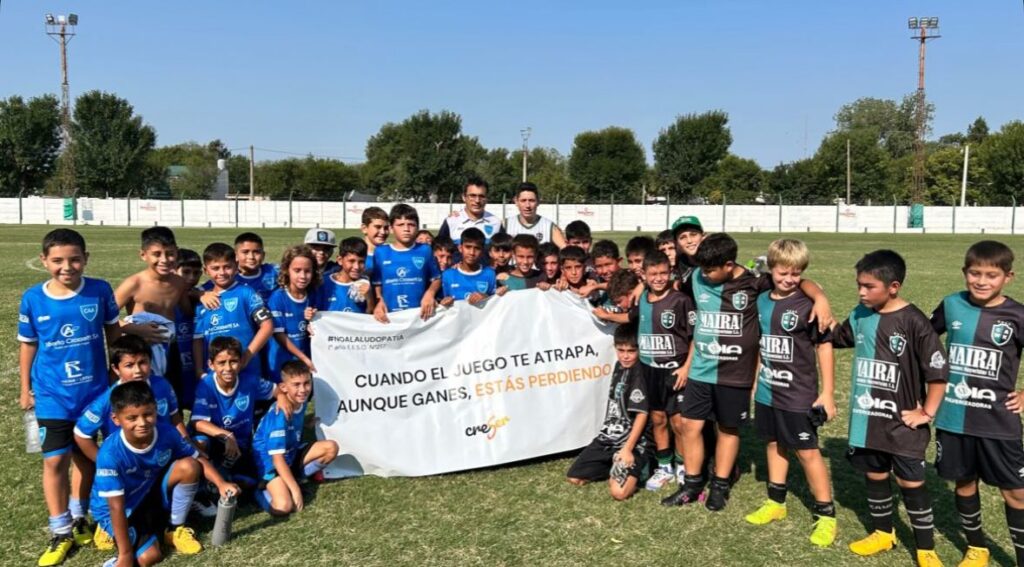
Results Achieved and Impact on the Community
Since its creation, CreSer Network has developed a progressive and collaborative approach that has helped place the issue on the local agenda, build an active community response, and become a regional benchmark in the field of prevention.
Overall Project Reach as of the First Half of 2026
- More than 4,600 young people have directly participated in project activities.
- 16 public and private educational institutions have been actively involved in the various initiatives.
- The project has expanded its presence to six communities across the region.
- 42 public-private partnerships have been established to strengthen project implementation.
These results reflect the Network’s ability to establish a sustained presence within both the educational system and the broader community fabric, expanding its territorial reach while strengthening institutional collaboration and partnerships.
Impact on Young People
The initiatives implemented have helped to:
- Improve the identification of risk situations related to problematic substance use and addictive behaviors.
- Strengthen young people’s ability to make responsible decisions and develop critical thinking skills.
- Increase openness to dialogue on these issues within educational and community settings.
- Encourage a greater willingness to seek help, fostering a culture of care, prevention, and healthy habits.
- Strengthen youth leadership, enabling many students to move from being participants to becoming peer workshop facilitators.
One of the most meaningful expressions of this process is that four program alumni remain actively involved with CreSer Network as volunteers, contributing their experience and supporting new generations.
Sustainability and Multiplier Effect
The project’s uninterrupted continuity since 2020 demonstrates the strength of its operating model. The consolidation of a diverse institutional network, together with the growing interest from other communities in replicating the experience, highlights both its relevance and its ability to adapt to different contexts.
Creative Methodologies for Innovative Solutions
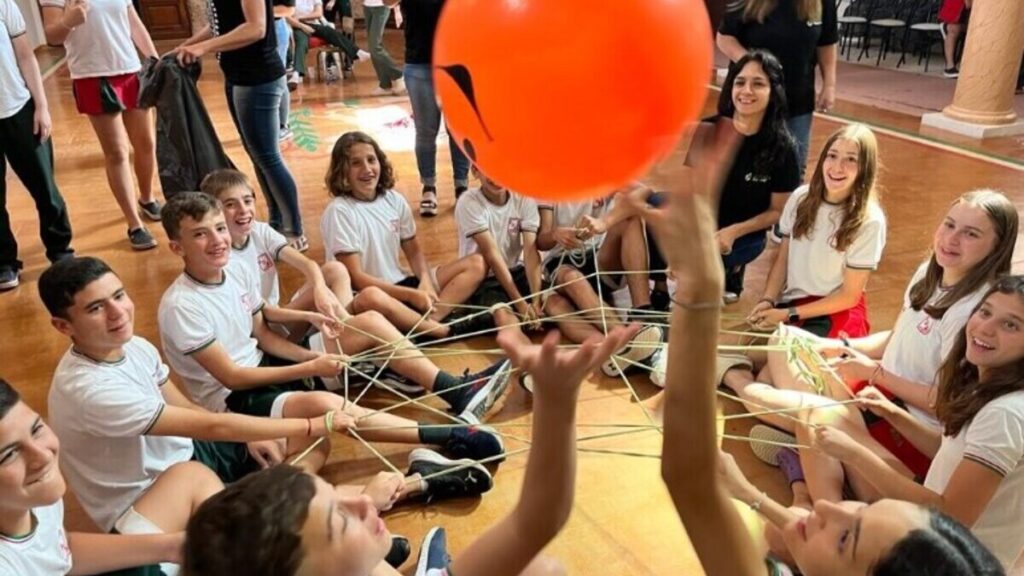
One of Red CreSer’s main distinguishing features is its methodological approach. Prevention is not addressed through traditional messaging or prohibition-based strategies, but rather through participatory experiences that connect with the language, interests, and realities of new generations.
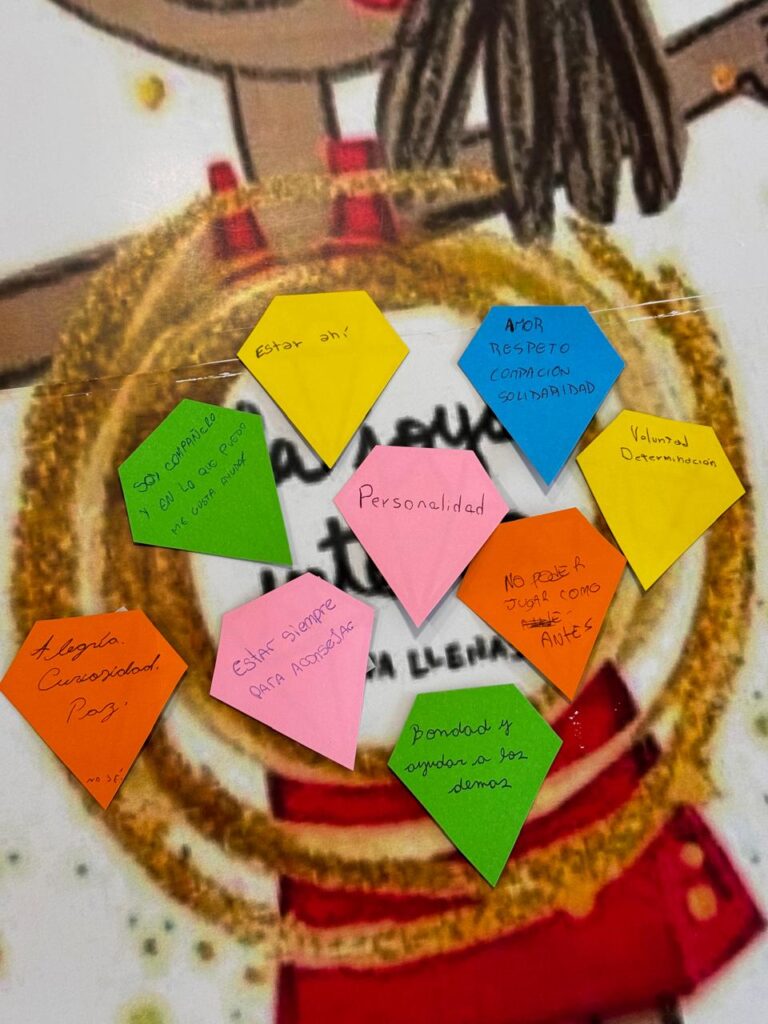
The project combines artistic, recreational, educational, and reflective tools that facilitate the understanding of complex issues and promote meaningful engagement with the content among children, adolescents, and adults.
Key Innovative Elements
- Active participation of young people as key actors in the learning process.
- Integration of emotional, social, and cognitive dimensions through art and reflection.
- Adaptation to youth cultural codes to enhance the reception and internalization of messages.
- A non-stigmatizing approach focused on care, dialogue, and responsible decision-making.
- Collaboration among schools, the community, government institutions, and specialists.
Red CreSer’s innovation does not lie in a single tool, but in the combination of multiple approaches that transform prevention into a meaningful, participatory experience capable of generating lasting change.
These methodologies are complemented by projects created by the young participants themselves, including collective poetry, interventions in sports settings, and participation in community media, further strengthening their role as active agents of social transformation.




Synergies with Individuals and Institutions
The strength of Red CreSer lies in its ability to bring together diverse stakeholders around a shared goal: building a healthier community committed to the well-being of its young people.
Among its main partners are:
Educational Institutions
Public and private primary and secondary schools in Las Rosas, Las Parejas, Armstrong, Bouquet, Los Cardos, and Granadero Baigorria.
Sports Organizations
- Club Atlético Almafuerte (Las Rosas)
- Club Social Belgrano (Las Rosas)
- Club Williams Kemmis (Las Rosas)
Local Government
- Municipality of Las Rosas
Specialized Organizations
- Sedronar (Secretariat for Comprehensive Drug Policies of Argentina)
- APRECOD (Agency for Drug Abuse Prevention and Comprehensive Addiction Treatment, Santa Fe Province)
- Nazareth Association of Cañada de Gómez, Santa Fe Province
- Del Sol program (Province of Córdoba)
- Crear Vale la Pena Foundation
Universities and Professional Associations
- School of Psychology, National University of Rosario (Universidad Nacional de Rosario – UNR)
- College of Psychologists (Department of Belgrano Delegation)
Leaders and Specialists
Among others, Gaston Pauls, Facundo Manes, Roberto Igarza, Aldo Domanico, Santiago Bilinkis, Marcelo Pudelka, Lucas Raspall y Gustavo De Vega, have contributed their expertise and support to the initiative.
Local Community
Students, families, teachers, volunteers, community members, and representatives of educational and sports institutions.
The diversity of stakeholders involved makes it possible to address the issue from multiple perspectives, combining technical expertise with community-based experience to develop responses that are more relevant, sustainable, and effective.


Scalability and Replication Potential
The CreSer Network demonstrates that complex challenges require collective responses. Its territorial expansion and the steady growth in the number of participating institutions highlight the model’s ability to adapt to different realities without losing effectiveness.
The project’s sustainability is built on three fundamental pillars:
- The diversity of stakeholders involved, who contribute legitimacy, knowledge, and resources.
- Strategic partnerships with provincial and national organizations that provide technical and institutional support.
- The social relevance of the issues being addressed, which fosters community commitment and sustained engagement.
Thanks to these characteristics, CreSer Network has become a replicable and scalable experience, capable of generating comprehensive and long-lasting interventions in different communities.
Today, as violence, addiction, and the weakening of social ties become growing concerns in many Argentine communities, the CreSer Network experience demonstrates that prevention, collaborative networks, and trust in younger generations remain essential tools for building a better future. Because believing in young people continues to be one of the most powerful ways to transform reality.
